Language: English











Industrial Concrete Chimney Reinforcement
Carbon Fiber
A 160-meter reinforced concrete chimney at a thermal power plant in northern Kazakhstan required urgent structural strengthening--carbon fiber reinforced polymer(CFRP0.

A 160-meter reinforced concrete chimney at a thermal power plant in northern Kazakhstan required urgent structural strengthening. Decades of freeze-thaw cycling, combined with carbonation of the concrete cover and chloride ingress from flue gas condensation, had caused widespread surface cracking, spalling, and loss of cover depth along the chimney shaft.
Winter temperatures in the region drop to −35°C, with summer peaks reaching +38°C — a 73°C annual temperature swing that accelerates reinforcement corrosion and crack propagation in concrete. The local seismic zone classification required the structure to resist a design ground acceleration of 0.30g.
The plant operator needed reinforcement without shutting down the facility, which was supplying district heating to a city of over 300,000 residents.
| Challenge | Detail |
|---|---|
| Extreme temperature range | −35°C to +38°C, requiring cold-weather adhesive application and long-term thermal stability |
| Carbonation & corrosion | CO₂ ingress reducing concrete alkalinity; reinforcement corrosion causing cracking and spalling |
| Freeze-thaw cycling | Up to 120 cycles per year — accelerated surface deterioration |
| Seismic loading | 0.30g design acceleration zone |
| Active operations | Power plant had to remain operational during installation |
| Substrate condition | Reduced cover depth, surface spalling, moisture ingress, active cracks |

Solution: CFRP Wrapping with Cold-Weather System
The consultant specified a CFRP external wrapping system using a cold-weather grade epoxy adhesive rated for application at temperatures as low as −5°C — critical for Kazakhstan's short construction windows.
Materials specified:
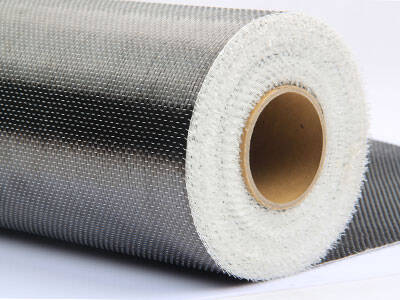
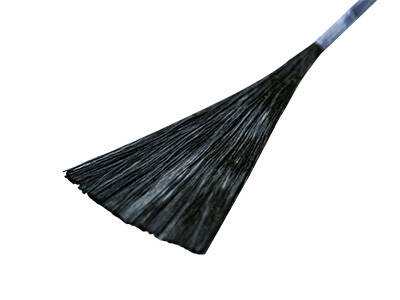
Carbon Fiber Fabric: Unidirectional high-modulus carbon fiber, tensile strength ≥ 4,900 MPa, grammage 300 g/m²
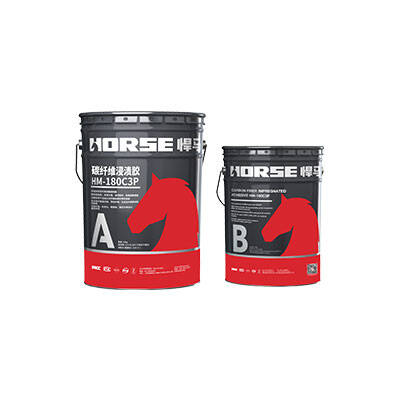
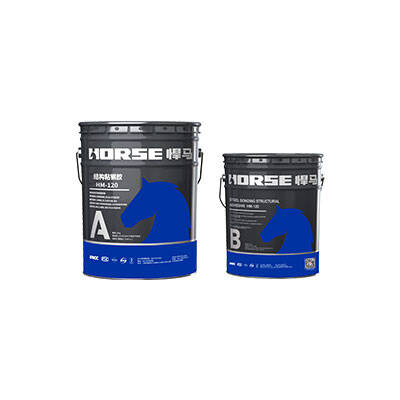
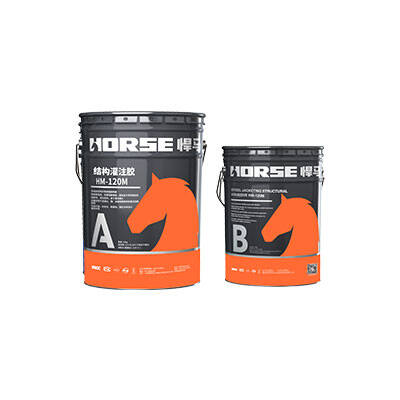
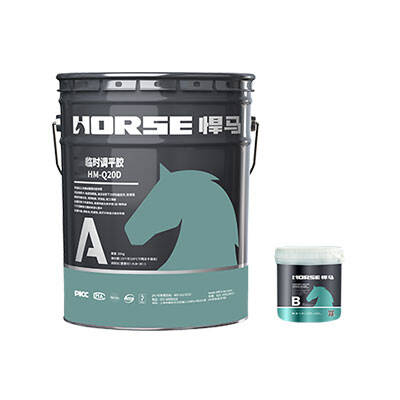
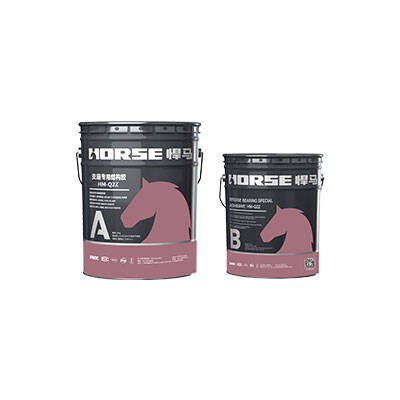
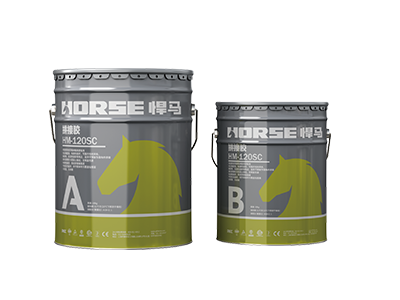
Epoxy Adhesive (Cold-Grade): Working pot life ≥ 45 min at 0°C; bond strength ≥ 2.5 MPa at −10°C post-cure; designed for freeze-thaw environments
Primer: Penetrating epoxy consolidant for carbonated concrete surface
Repair mortar: High-strength, freeze-thaw resistant repair grout for spalled areas prior to wrapping
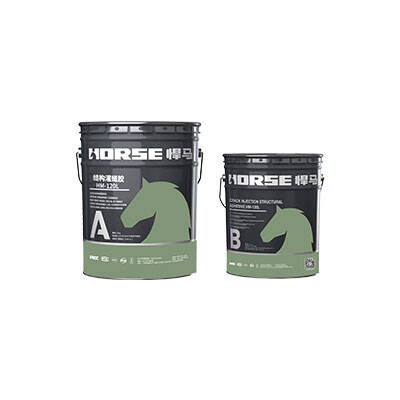
Crack injection: Low-viscosity epoxy for filling active cracks prior to wrapping
Installation approach:
Survey & crack mapping — Full rope access inspection; all cracks catalogued and classified by width; cover depth measurements taken
Surface preparation — Hydro-blasting at low pressure; remove carbonated layer and loose concrete; clean, dry substrate achieved; ambient temperature monitored throughout
Concrete repair — Spalled areas filled with high-strength repair mortar; allowed to cure fully
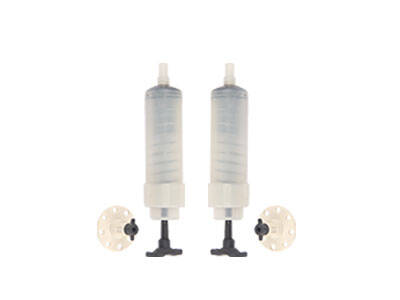
Crack injection — Active cracks sealed with low-viscosity epoxy grout under pressure
Epoxy application — Epoxy for concrete substrate
CFRP wrapping — Continuous carbon fiber sheets wrapped circumferentially with 250mm overlap; 6 layers total per the structural analysis for seismic demand
Cold-weather curing — Adhesive cure monitored against temperature logs; supplemental heating used during application window
Quality verification — Pull-off adhesion testing at 12 locations; results: 3.0 MPa average, all above 2.5 MPa threshold

Results
Zero operational disruption to the power plant
All pull-off test results exceeded 3.0 MPa — significantly above the 2.5 MPa requirement
Concrete substrate fully consolidated prior to CFRP application, eliminating risk of debonding from substrate failure

Interested in a Similar Project?
Whether you're in Kazakhstan, Uzbekistan, Kyrgyzstan, or another Central Asian market — we're experienced in CFRP to regional and international standards.